
Home > Destinations > Sri Lanka >

Exclusive Journeys To Sri Lanka & Maldives
+94702244355
info@bellaventia.com
Colombo, Sri Lanka



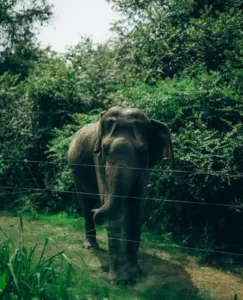
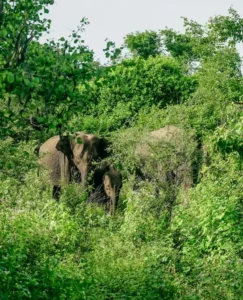
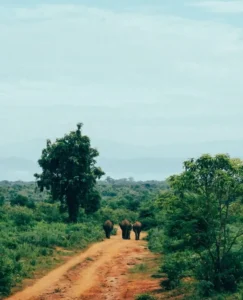
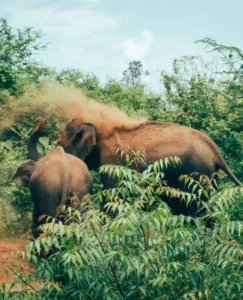
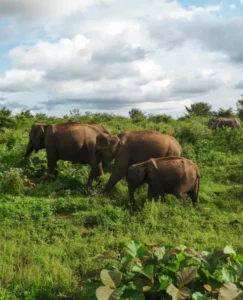
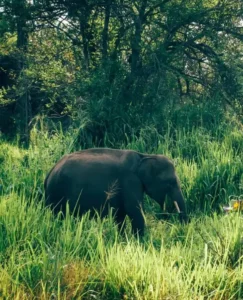
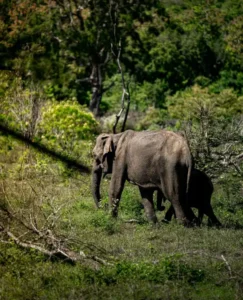
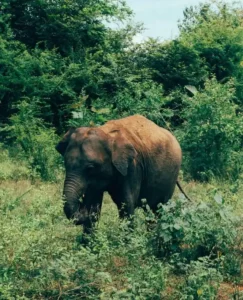
Udawalawe National Park stands as one of the most significant conservation areas in Sri Lanka, primarily established to provide a sanctuary for wild animals displaced by the construction of the Udawalawe Reservoir. Situated on the boundary of the island’s wet and dry zones, the park is characterized by vast open grasslands and teak forests that offer unobstructed views of its most famous residents, the Sri Lankan Elephant. Large herds, often including playful calves, are seen year-round congregating near the water’s edge or roaming the scrub jungle. You can enjoy an unparalleled safari experience here, as the lack of dense forest cover makes it one of the most reliable places in Asia to observe these majestic giants in their natural environment.
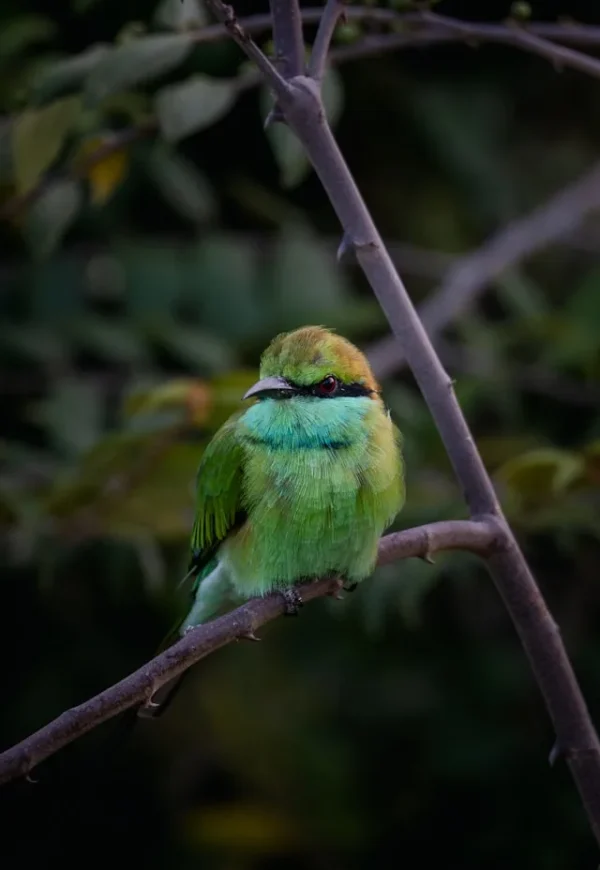
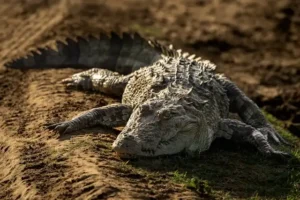
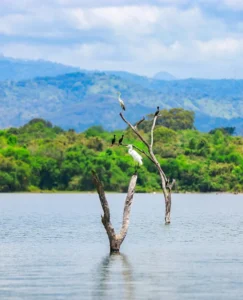
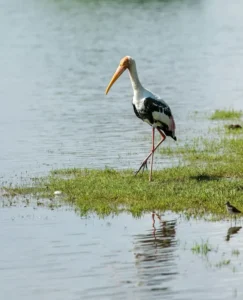
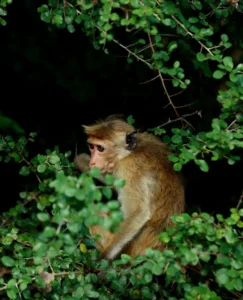
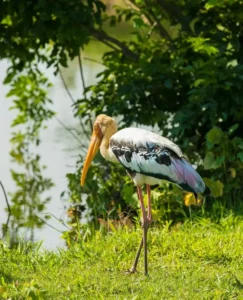
Beyond the elephant population, the park serves as a vital habitat for a diverse range of wildlife and migratory birds. The reservoir itself attracts water buffalo, monitor lizards, and mugger crocodiles, while the surrounding plains are home to sambar deer and the occasional elusive leopard. For bird enthusiasts, the park is a treasure trove featuring the Changeable Hawk Eagle, Painted Stork, and various species of kingfishers. A visit to the nearby Elephant Transit Home adds a meaningful layer to the trip, where orphaned calves are rehabilitated before being released back into the wild. Travelers seeking an authentic safari that guarantees unforgettable wildlife encounters will find Udawalawe to be an essential highlight of their journey.
Udawalawe is a year-round destination because the reservoir ensures a constant water supply for the animals. However, visiting during the dry season from June to September is particularly rewarding as animals gather in large numbers around the shrinking water holes.
While wildlife sightings are never strictly guaranteed, Udawalawe is widely considered the most reliable park in Sri Lanka for spotting wild elephants. It is very common to see multiple herds during a single three hour morning or afternoon safari.
Located just outside the park, the ETH is a rehabilitation center for orphaned elephant calves. Visitors can watch from a viewing platform during feeding times, which occur every three hours, supporting a facility that prioritizes the animals’ eventual return to the wild.
Most visitors opt for a 3 to 4 hour private jeep safari. Morning safaris usually begin at 6:00 AM to catch the sunrise and peak animal activity, while afternoon safaris start around 3:00 PM to witness animals moving toward the water as the temperature cools.
Experience a seamless blend of culture, nature, and coastline on a remarkable island escape designed for meaningful and memorable journeys.