
Home > Destinations > Sri Lanka >

Exclusive Journeys To Sri Lanka & Maldives
+94702244355
info@bellaventia.com
Colombo, Sri Lanka



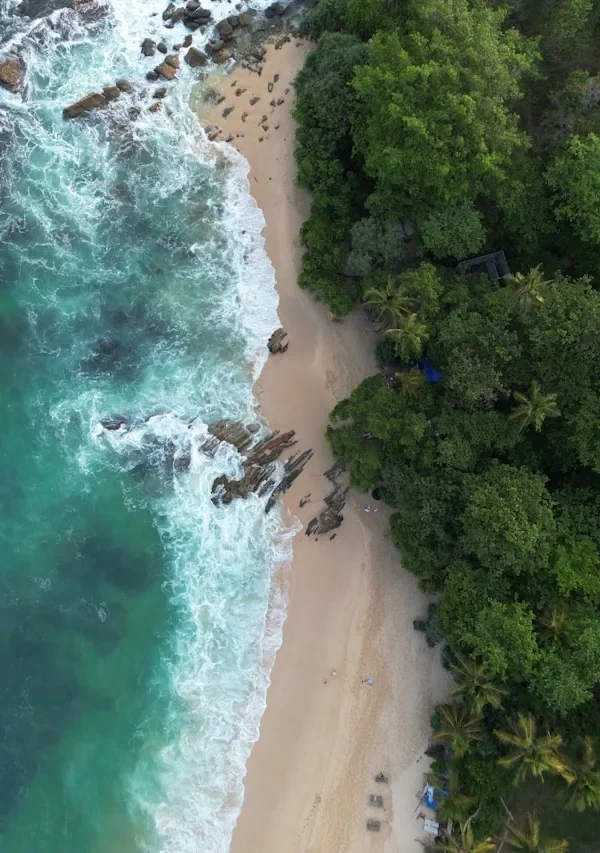
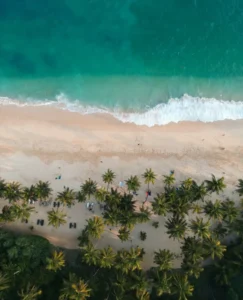
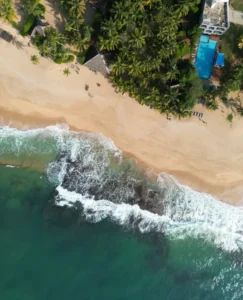
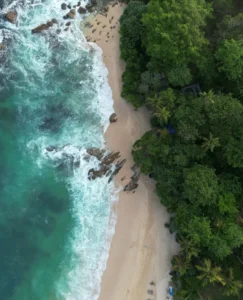
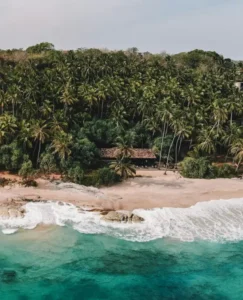
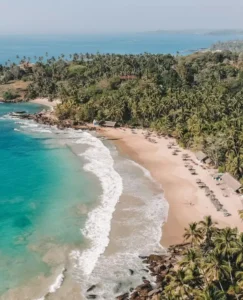
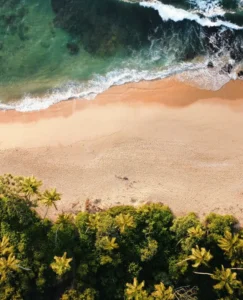
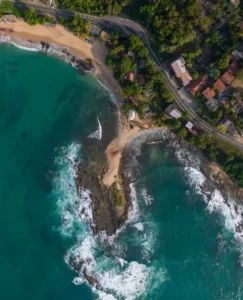
Tangalle is a tranquil coastal escape on the deep southern edge of Sri Lanka, offering a more peaceful and rugged alternative to the busier beach hubs. This region is characterized by expansive, golden shorelines like Tangalle Beach and hidden coves such as Goyambokka Beach, where the Indian Ocean meets dramatic rocky outcrops and lush palm groves. You can spend your days exploring the quiet mangrove lagoons or watching the powerful sea spray at the Hummanaya Blow Hole, which is recognized as one of the largest natural blowholes in the world. The town retains a traditional fishing village charm, providing a sophisticated yet authentic backdrop for those seeking total relaxation and raw coastal beauty.
Beyond its pristine sands, Tangalle serves as a gateway to remarkable archaeological and conservation sites. A short drive inland reveals the Mulgirigala Raja Maha Viharaya, an ancient rock temple complex perched on a high granite peak that offers stunning murals and panoramic views of the surrounding plains. Nature enthusiasts can visit the nearby Rekawa Turtle Beach at night, where endangered sea turtles frequently arrive to nest under the protection of local conservationists. Travelers will find a curated selection of boutique villas and high end resorts nestled in secluded bays, making Tangalle a premier destination for a refined and private tropical retreat.
Tangalle is a year-round destination, but the most stable weather occurs from December to April. During the “off-peak” months from May to September, the region remains beautiful and less crowded, though the ocean swells can become much stronger and more dramatic.
You can join guided night tours at the Turtle Watch Rekawa conservation center, typically starting around 8:00 PM. It is vital to follow the rangers’ instructions, avoid using white light or flash photography, and remain quiet to ensure the nesting turtles are not disturbed.
Experience a seamless blend of culture, nature, and coastline on a remarkable island escape designed for meaningful and memorable journeys.