
Home > Destinations > Sri Lanka >

Exclusive Journeys To Sri Lanka & Maldives
+94702244355
info@bellaventia.com
Colombo, Sri Lanka



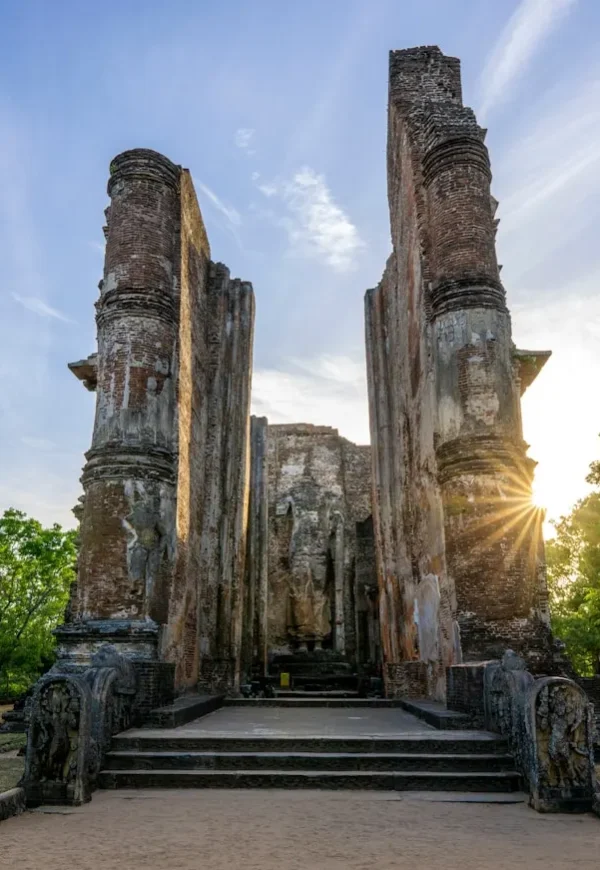
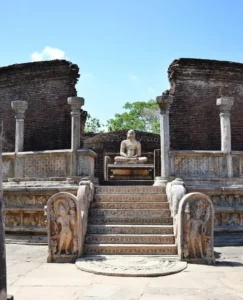
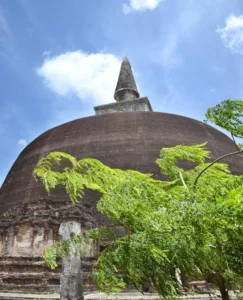
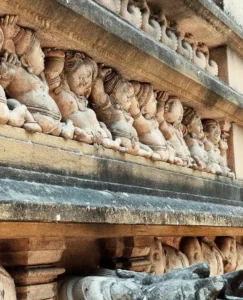
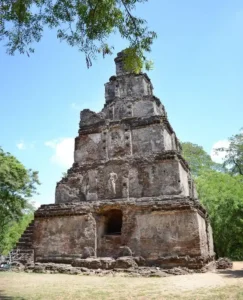
Polonnaruwa serves as a magnificent second capital of Sri Lanka, flourishing between the 11th and 13th centuries following the fall of Anuradhapura. This UNESCO World Heritage site is celebrated for its well preserved urban layout, showcasing the height of medieval Sinhalese architecture and engineering. The center of the city is dominated by the Royal Palace complex, where the massive walls of King Parakramabahu’s seven story residence still stand. You can explore the Quadrangle, a compact group of the most sacred buildings in the city, including the circular Vatadage with its intricate stone carvings and seated Buddha statues that represent the pinnacle of ancient artistic craftsmanship.
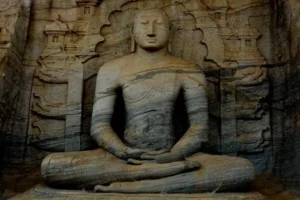
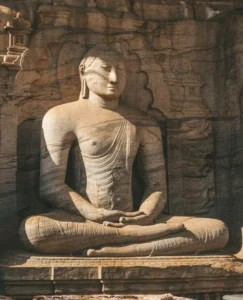
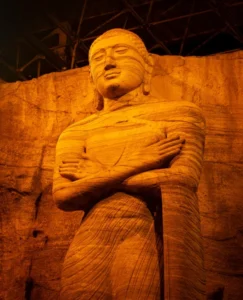
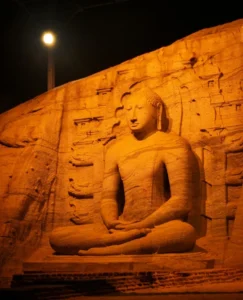
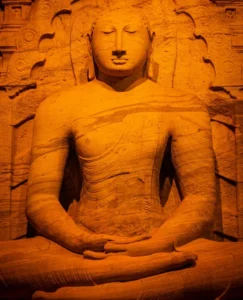
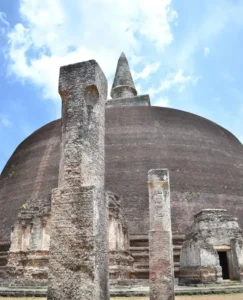
The city is equally famous for its grand religious monuments and advanced hydraulic systems. The Gal Vihara features four colossal Buddha statues carved from a single granite rock face, widely considered the most beautiful examples of rock cut sculpture on the island. Nearby, the Parakrama Samudra, a massive man made reservoir often called the “Sea of Parakrama,” continues to irrigate the surrounding rice paddies as it did centuries ago. Travelers can cycle through the shaded paths of the archaeological park, witnessing the seamless blend of Hindu and Buddhist influences reflected in the temples and monuments. This historical sanctuary offers a profound look into a golden era of Sri Lankan prosperity and cultural refinement.
The ideal time to visit is during the dry season from May to September. To avoid the midday heat, it is highly recommended to start your exploration at dawn (around 7:30 AM) when the temperature is cooler and the morning light is perfect for photography.
Yes, visitors must wear clothing that covers shoulders and knees. You must also remove shoes and hats before entering any temple platform.
While Anuradhapura is older and more sprawling, Polonnaruwa is more compact and better preserved. The ruins here showcase a unique blend of South Indian Chola influence and traditional Sinhalese styles, reflecting a more diverse medieval period.
Experience a seamless blend of culture, nature, and coastline on a remarkable island escape designed for meaningful and memorable journeys.