
Home > Destinations > Sri Lanka >

Exclusive Journeys To Sri Lanka & Maldives
+94702244355
info@bellaventia.com
Colombo, Sri Lanka



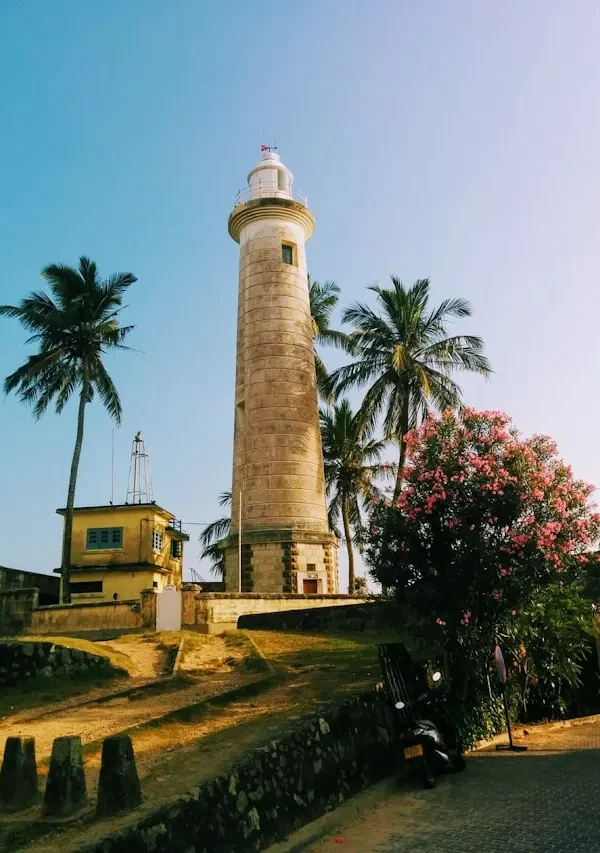
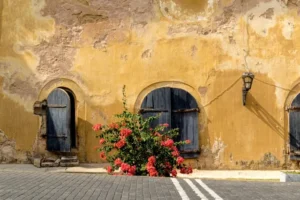
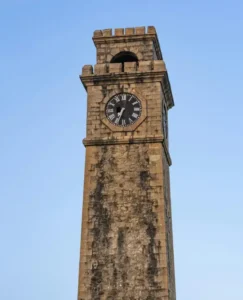
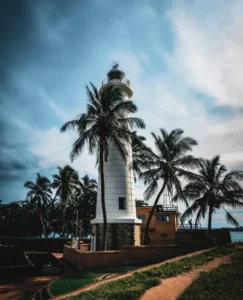
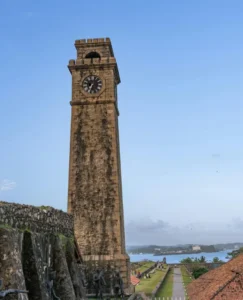
Galle is a captivating coastal city on Sri Lanka’s southwest shores, where European colonial history blends seamlessly with vibrant South Asian culture. The city’s crown jewel is the Galle Fort, a UNESCO World Heritage site originally built by the Portuguese and extensively fortified by the Dutch in the 17th century. You can spend hours wandering through its narrow cobblestone streets, which are lined with beautifully restored colonial villas, chic boutiques, and artisanal cafes. The iconic Galle Lighthouse stands sentinel at the fort’s edge, offering a picturesque view of the Indian Ocean as waves crash against the ancient coral stone ramparts.
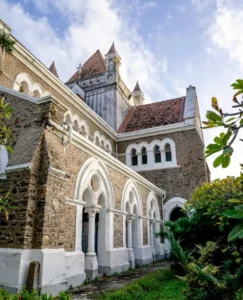
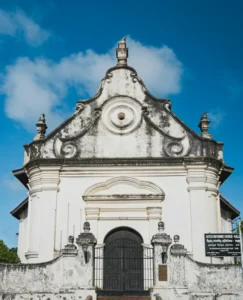
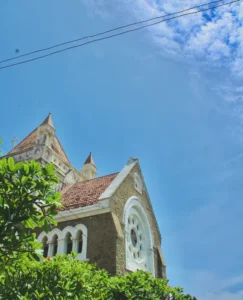
Beyond the historic walls, the region offers a diverse array of coastal experiences and cultural treasures. You can witness the daily routines of local fishermen at the bustling harbor or explore the nearby Dutch Reformed Church, one of the oldest Protestant places of worship on the island. The surrounding area is famous for its golden beaches, such as Unawatuna, and traditional stilt fishermen who balance precariously over the surf. Travelers are drawn to the city’s sophisticated heritage hotels and world class dining, making Galle an essential destination for those seeking elegance, history, and a relaxed tropical atmosphere.
Galle is a year-round destination, but the most pleasant weather occurs from December to April. During these months, the seas are calm and the skies are clear, making it perfect for exploring the fort on foot or visiting nearby beaches.
No, entry to Galle Fort is completely free. It is a living heritage site where locals still live and work. Visitors can walk along the ramparts and explore the streets at their own pace without any admission fee. However, some museums and attractions within the fort may charge a separate entrance fee.
The Flag Rock Bastion at the southwestern corner of the fort is the most popular spot for sunset. Hundreds of visitors and locals gather here every evening to watch the sun dip below the horizon while enjoying the cool ocean breeze.
While the fort is quite cosmopolitan and casual, you should dress modestly if you plan to visit religious sites like the Dutch Reformed Church or nearby temples. Covering your shoulders and knees is a sign of respect in these sacred spaces.
Experience a seamless blend of culture, nature, and coastline on a remarkable island escape designed for meaningful and memorable journeys.