
Home > Destinations > Sri Lanka >

Exclusive Journeys To Sri Lanka & Maldives
+94702244355
info@bellaventia.com
Colombo, Sri Lanka



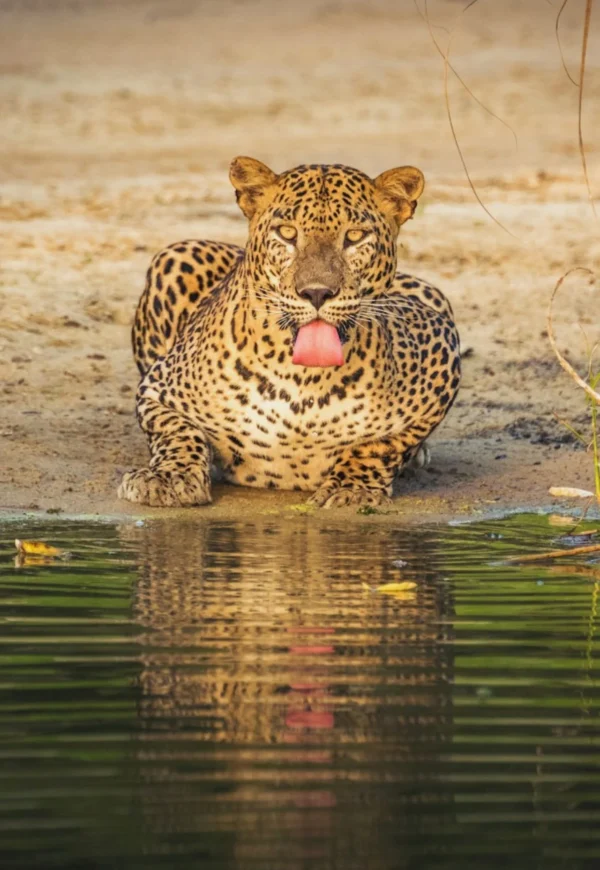
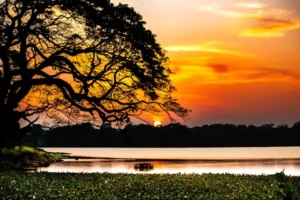
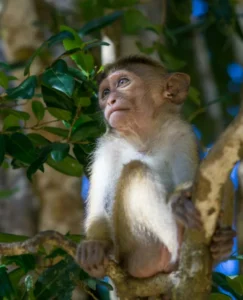
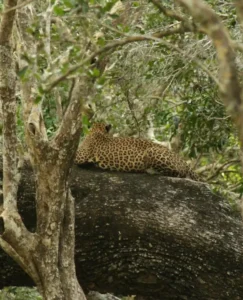
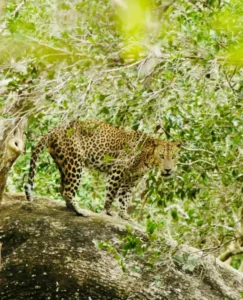
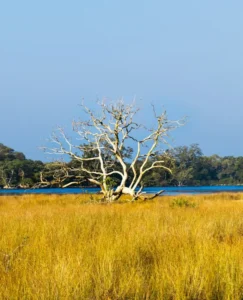
Wilpattu National Park is Sri Lanka’s largest and oldest protected sanctuary, renowned for its unique network of “Willus”natural, rainwater filled sand rims that dot the landscape. Located on the northwest coast, this wilderness is characterized by dense dry zone forests, open grasslands, and coastal scrub, providing a secluded atmosphere far from the crowded tourist trails. It is a premier destination for sighting the Sri Lankan Leopard, which thrives among the ancient ruins and thick canopy that define the park’s interior. You can also encounter the elusive Sloth Bear, large herds of spotted deer, and mugger crocodiles sunning themselves on the banks of the inland lakes.
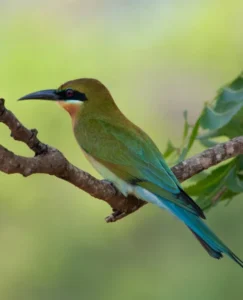
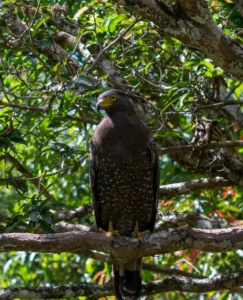
The park offers a deep sense of isolation and tranquility, making it a favorite for serious wildlife photographers and conservation enthusiasts. Beyond its mammalian residents, Wilpattu is an avian paradise, hosting diverse species such as the Painted Stork, Crested Serpent Eagle, and the endemic Sri Lankan Junglefowl. History adds another layer to the safari experience, as the park is believed to be the site where Prince Vijaya landed in 543 BC. Travelers seeking an authentic, rugged safari experience will find Wilpattu to be a magnificent testament to the island’s raw natural heritage.
Wilpattu is a year-round destination, but the best wildlife sightings occur during the dry season from February to October. During these months, animals frequently congregate around the permanent “Willus” to drink, making them easier to spot.
Yes, Wilpattu is one of the top locations in the world for leopard sightings. Unlike busier parks, the low vehicle density here allows for a more private viewing experience of these apex predators in their natural habitat.
A standard half day safari lasts about 3 to 4 hours, while full day safaris are highly recommended for those wanting to explore the deeper reaches of the park. Most tours depart at dawn (6:00 AM) or mid afternoon (3:00 PM) for optimal animal activity.
The park is located approximately 30 kilometers west of Anuradhapura. It is easily accessible via a 3 to 4 hour drive from Colombo or Negombo, making it a convenient stop for travelers exploring the Cultural Triangle.
Experience a seamless blend of culture, nature, and coastline on a remarkable island escape designed for meaningful and memorable journeys.